 Skip to content
Power Yoga: A Step-by-Step Guide to Building Strength
Power yoga is an energetic, breath-led style that moves through standing poses, balances, core work, and transitions with purpose. It can feel athletic, but the most useful version is not a race through difficult shapes. It is a practice of choosing steady effort while maintaining enough awareness to breathe, adjust, and rest.
This guide keeps the strongest parts of Vitara’s original power-yoga article—foundational poses, sequence literacy, and practical modifications—while removing old promotions and claims that went beyond what a yoga class can promise. If you are comparing formats, begin with the current Vitara class descriptions and choose for your present experience rather than an imagined finish line.
What makes a class power yoga?
There is no single universal power-yoga sequence. Most classes draw from flowing yoga and organize poses into progressive sections: a gradual warm-up, repeated standing patterns, strength or balance work, a slower floor sequence, and final rest. The teacher may vary the order, pace, and peak posture, so listening remains more valuable than memorizing choreography.
The word power describes intentional effort, not compulsory intensity. You can practice power yoga without taking the deepest expression of a pose. Choosing a stable stance, lowering your knees in plank, or skipping a transition may help you stay connected to the class instead of merely surviving it.
Five foundations to learn before chasing complexity
A few repeatable skills make an unfamiliar sequence easier to follow. Treat them as reference points, not tests you must pass before attending.
- Stable hands: spread your fingers and press through the full hand in tabletop, plank, and Downward-Facing Dog.
- A long spine: bend your knees when needed so a fold or Downward-Facing Dog does not become a contest with your hamstrings.
- Supported lunges: shorten or widen your stance until you can breathe and balance without gripping.
- Scalable planks: use knees down, reduce the hold, or move directly to the floor rather than forcing a low push-up.
- Clear recovery positions: know that Child’s Pose, tabletop, seated rest, or stillness on your mat are valid choices.
How a typical sequence builds
Early movements usually rehearse what appears later. A low lunge may prepare you for standing lunges; a simple balance may introduce the focal point used in a more demanding option. Notice these relationships. They make class feel coherent and help you decide whether to remain with the first version or explore the next one.
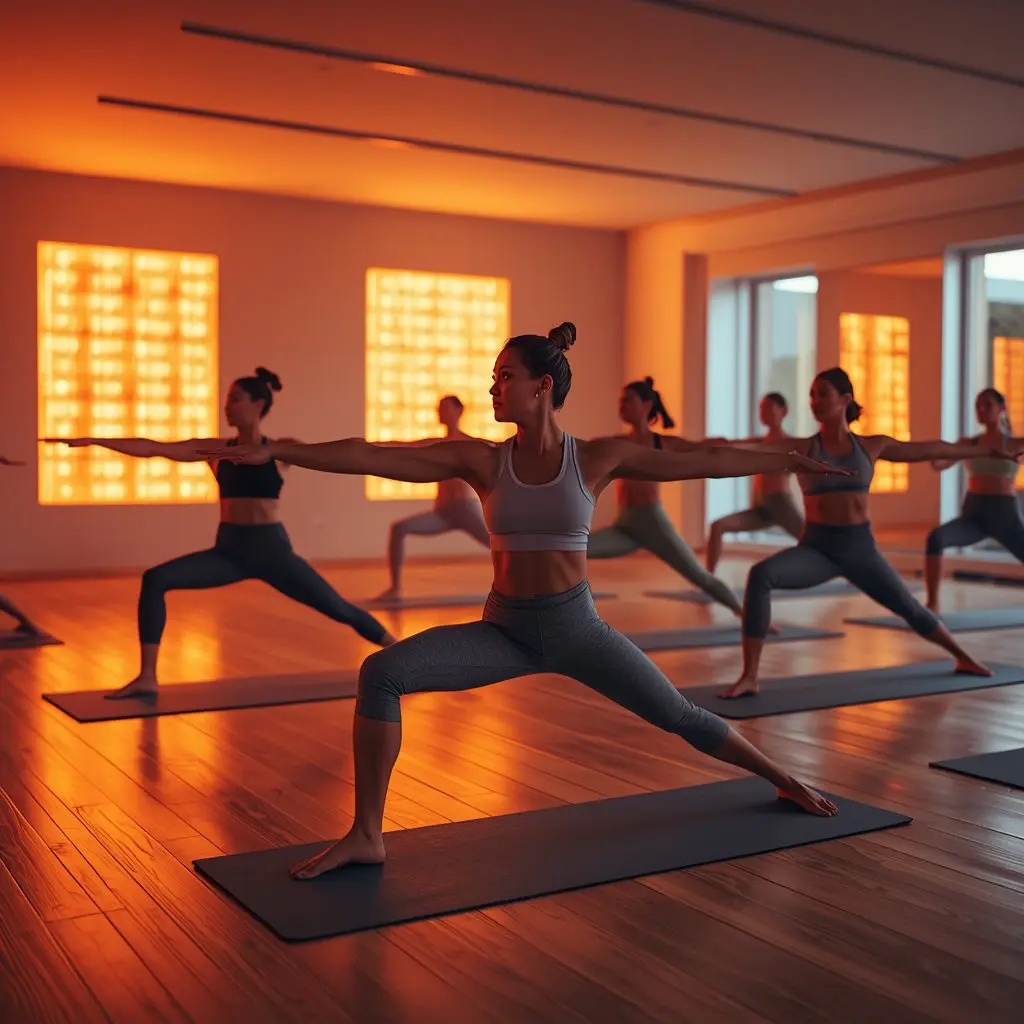
When the room is heated, effort can feel stronger sooner. Let your breath set the speed. If you cannot comfortably take a full breath, simplify the movement, become still, or rest. Rejoining at the next familiar pose is often easier than rushing to catch every transition.
Choose the right first step at Vitara
Students who already enjoy vigorous movement may feel comfortable beginning with Vitara Power. If you want more time to learn transitions, Slow Power can provide a more measured entry. Power to Yin pairs an active first portion with a quieter second portion, which can help you experience both effort and stillness in one visit. The Vitara class-choice guide offers another way to compare formats.
Arrive early, tell the teacher you are new to the format, and choose a mat position where you can see without feeling exposed. After class, evaluate the pace, cueing, and heat separately. A different class or teacher may fit even if your first choice did not.
Related Vitara guides
Frequently asked questions
Do I need upper-body strength before power yoga?
No. Strength develops through scaled versions of the work. Knees-down planks, shorter holds, and supported transitions are legitimate ways to begin.
Is power yoga only for experienced students?
Not necessarily. Class pace varies, and beginners can use options and breaks. Read the description, tell the teacher you are new, and choose a steadier format first if that would feel more approachable.
How is Power different from Slow Power?
Both can build strength. Slow Power generally gives you more time to organize each shape and transition, while Power may link movements more continuously. Check the current description and schedule before booking.